Lead is a toxic metal that can pose serious health risks, especially for children and pregnant women. Exposure to lead can cause developmental delays, learning difficulties, and other health issues. Understanding when lead abatement is necessary is crucial for homeowners, landlords, and contractors. This article explains the situations that require abatement and the steps involved.
What is Lead Abatement?
It is worth knowing what abatement entails before getting into the requirements.
Lead abatement is defined as the process of permanently removing, reducing or containing lead-based paint or lead hazards in buildings. In contrast to the simple lead removal or encapsulation, abatement is meant to provide permanent elimination of exposure risks.
Key points about lead abatement:
- It is controlled by federal and state laws.
- Abatement should be done by qualified and trained personnel.
The main aim is to save human lives especially among children below six years of age and pregnant women.
Legal Requirements for Lead Abatement
When some conditions are fulfilled, lead abatement is not optional.
The major regulations are:
- The Title X, Residential Lead-Based Paint Hazard Reduction Act of 1992.
- EPA Renovation, Repair and Painting (RRP) Rule.
- Guidelines on state and local health departments.
Such rules are usually used in:
- Houses that were constructed prior to the year 1978 when the sale of lead-based paint was forbidden.
- Facilities that are used by children, e.g. daycare or preschools.
- Homes that have federal funding such as HUD housing.
Signs That Lead Abatement May Be Required
A lead abatement is not necessary in all homes with lead.
Some of the conditions imply that there should be professional intervention:
Presence of Lead-Based Paint
Homes built before 1978 are at higher risk.
If testing reveals lead-based paint on:
- Windows and window sills
- Doors and door frames
- Baseboards and moldings
- Stairs and railings
Then abatement might be required particularly when the paint is peeling, chipping or in poor condition.
Lead Dust Hazards
Lead dust may be created when the paint is in a poor condition or when renovations are taking place.
Abatement is to be thought of in the event that:
- Remodeling older areas.
- You can see dusty floors, sills of windows, or furniture.
- Children demonstrate high blood lead levels.
In the case where the amount of lead dust surpasses the EPA clearance levels then professional abatement is needed.
Soil Contamination
Lead in paint, gasoline or industry can poison the soil surrounding residential premises. Children who play in polluted soil are in danger.
Abatement may involve:
- Removing topsoil
- Protecting the soil by grass, mulch or pavement.
- Placing barriers or fencing.
Water Sources
Lead can leach into drinking water from older pipes.
If tests show elevated lead levels, action is needed:
- Replacement of lead pipes or fixtures.
- Install certified filters.
This can be included in the extreme cases under abatement measures.
When Lead Abatement is Required by Law
There are cases when lead abatement is compulsory:
Children with Elevated Blood Lead Levels
In a child below the age of six with a higher blood lead level than the CDC reference level the local health departments might have to mandate the abatement of the home.
- Painters, dust, soil and water are examined by the inspectors.
- Housing owners or landlords should eliminate risks to safeguard health.
Renovations in Pre-1978 Homes
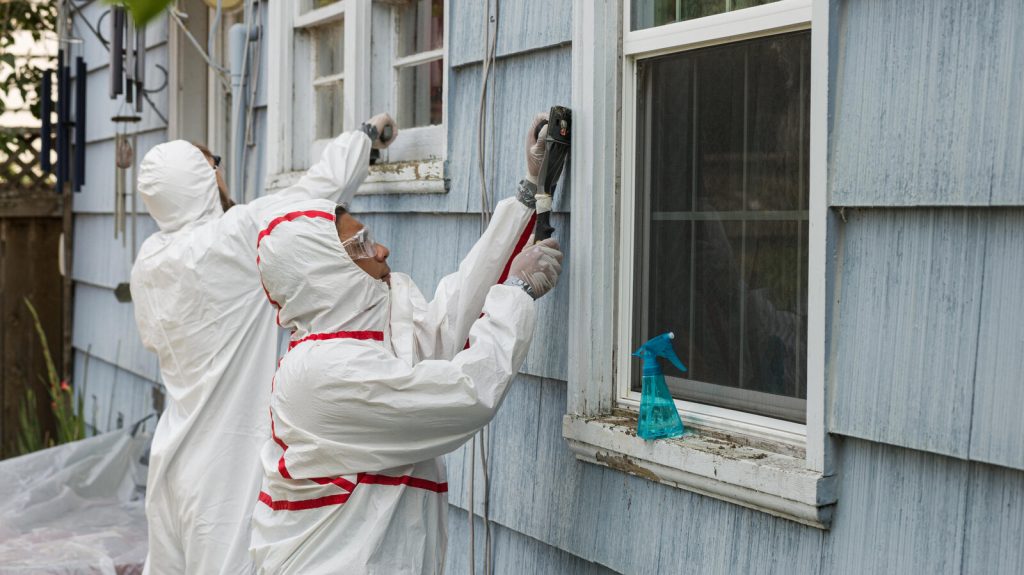
The EPA RRP Rule obliges contractors that disturb lead-based paint to use lead-safe practices. Small repairs can be repaired without complete abatement, but extensive peeling or cracking paint needs to be.
Federally Assisted Housing
Section 8 housing and other properties with federal subsidies should comply with the requirements of lead hazard reduction.
In case of inspection and discovery of hazards:
- Occupancy is subject to abatement.
- Clearance testing is a method that makes the environment safe.
Public and Commercial Buildings
Any school, daycare center as well as the facilities where children spend a considerable amount of time may be required to be abated in case of hazards during inspections.
Steps Involved in Lead Abatement
When abatement is necessary, it usually involves:
Lead Inspection and Risk Assessment
Certified inspectors:
- Determine lead-based paint and other risks.
- Test dust, soil, and water.
- Give a recommendation report.
Planning the Abatement
A certified contractor develops a plan including:
- Removal (chemical stripping, sanding, enclosure) methods
- Workers wear protective clothing
- Waste disposal procedures.
Containment and Removal
- Areas are shut out so as to stop the spread of dust.
- Employees use protective attires.
- According to the EPA and OSHA standards, lead is removed or contained.
Cleaning and Clearance Testing
- Close cleaning is carried out.
- The area is tested by certified inspectors to guarantee that the levels of lead are safe.
Documentation
- Records are kept to meet the requirements.
- Homeowners and tenants are certified to have lead-free status.
Cost Considerations
The costs of lead abatement depend on:
- Size of the property.
- Extent of contamination.
- Approaches taken (removal vs. encapsulation).
Financial support could be provided by:
- Local or state lead hazard control programs.
- Federal grants on low-income households.
- Home improvement loans.
Preventing Lead Hazards
Even if abatement isn’t immediately required, homeowners can take preventive steps:
- Frequently check paint on peeling or chipping.
- Clean floors, windows and surfaces.
- Apply wet cleaning to minimize dust.
- Promote hand washing among children.
Lead abatement is necessary whenever lead hazards pose a significant health risk, particularly in older homes, child-occupied facilities, and federally assisted housing. Recognizing the signs of lead hazards and understanding the legal requirements helps protect families and tenants.
Professional inspection, careful planning, and certified abatement work are essential to eliminate lead exposure safely and permanently. Acting promptly not only ensures compliance but also safeguards the health of children and future generations.