Selling a commercial property can be complex, especially when it comes to older buildings that may contain lead-based paint. Property owners often wonder whether abatement is mandatory or if disclosure alone is enough.
This article explains lead paint concerns, legal requirements, risks, and practical options for sellers.
Understanding Lead-Based Paint
What Is Lead-Based Paint?
Lead-based paint is made of lead which is a toxic metal that may cause severe health problems when ingested or inhaled. It was widely applied in buildings until it was prohibited as a residential application in 1978. Commercial properties constructed prior to this are still possible to contain lead-based paint on walls, door, or window.
Why Lead Paint Matters
Exposure to lead can lead to:
- Neurological damage
- Developmental delays
- High blood pressure
- Kidney problems
Lead dust caused by renovations or deterioration may be a problem to property owners since it may be life threatening to tenants, workers or visitors even in workplaces.
Legal Requirements for Selling Commercial Property With Lead Paint
Federal Guidelines
The regulations of the Federal government are directed primarily at residential properties but may be applied to commercial properties as long as they have residential units or areas where children may be exposed to.
Key rules include:
- Reporting lead paint risks that are known to the potential buyers.
- Presenting any inspection reports/records.
- Giving the buyers a 10-day time to do their own lead risk assessment.
State and Local Regulations
Other states and local authorities are more restrictive.
For example:
- Some cities may have to inspect or abate property containing children’s programs.
- In certain states, there are mandatory abatement of commercial buildings where public services are provided.
Prior check of local laws prior to sale will ensure that there is compliance and minimised liability.
Selling Without Lead Paint Abatement
Is Abatement Mandatory?
Not necessarily.
A commercial property can often be sold without abatement if the seller:
- Completely reveals the known lead hazards.
- Gives documentation of the inspections or mitigation history.
- Complies with every applicable disclosure law.
Abatement can be necessary when the property is serving children, pregnant women or other vulnerable groups or when local regulations require it.
Importance of Disclosure
Even when abatement isn’t required, sellers must provide:
- A Lead Paint Disclosure Form.
- Accessible test or inspection reports.
- History of any prior remediation.
The failure to report lead paint may lead to the lawsuit, fines or the sale may be canceled.
Risks of Selling Without Abatement
Legal Liability
A seller can also be sued in case an individual gets sick as a result of lead exposure following the sale. This is particularly so when there was prior knowledge of the hazards but it was not disclosed.
Lower Property Value
These houses that contain lead paint will fetch less since they take into consideration the abatement cost in the future.
Limited Buyer Pool
Some purchasers such as schools or governmental organizations might not buy abatement that is not done out of health and compliance issues.
Options for Sellers
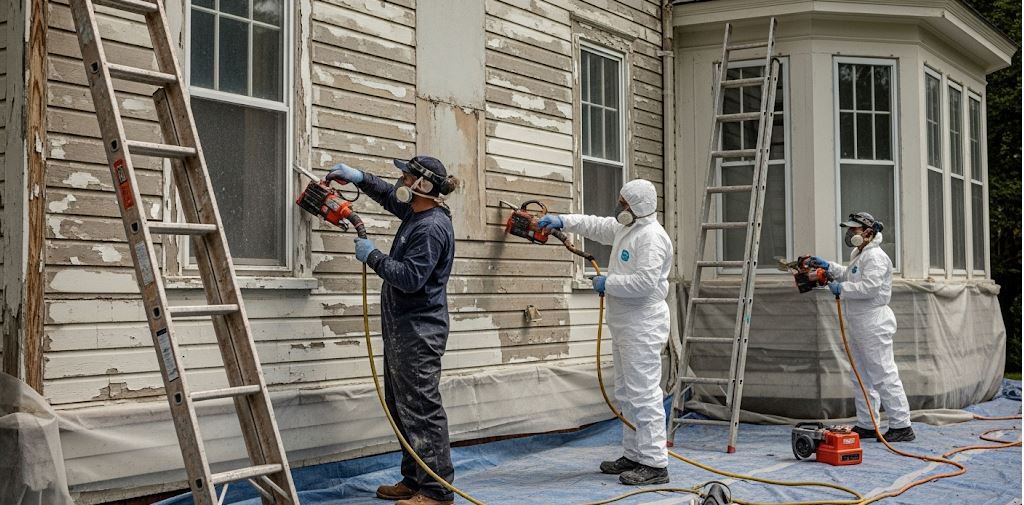
Full Lead Paint Abatement
Abatement involves removing or permanently sealing lead paint.
This is the most thorough solution and can:
- Increase property value
- Reduce liability
- Attract more buyers
Encapsulation
Encapsulation consists of coating the lead paint with a special coating. It is also cheaper than complete abatement but needs constant upkeep in order to be effective.
Sell “As-Is” With Disclosure
The property can also be sold by the sellers without being remedied with full disclosure. Any mitigation is then left to the buyers.
This works best when:
- The building does not house children or vulnerable populations.
- Local laws allow it.
- Buyers are aware of the risks in writing.
Practical Tips for Sellers
Conduct a Lead Inspection
Although abatement may not be necessary, having a certified inspector will assist in the identification of hazard, enable proper disclosure and guard against any future claims.
Work With Experienced Professionals
Sellers can be taken through the process of disclosure and negotiations by commercial real estate agents and lawyers who are conversant with the regulations on lead.
Factor Lead Paint Into Pricing
The known lead hazards can decrease property value. The openness on these matters will avoid conflict and accelerate the sale.
Keep Thorough Records
Keep inspection records, disclosure reports and contact with purchasers. Documentation secures the seller in case of legal enquiries in future.
Key Takeaways
A commercial property can often be sold without lead paint abatement, but disclosure is essential. While abatement, encapsulation, or selling “as-is” are all viable approaches, the right choice depends on the building, its use, and local regulations. Transparency, professional guidance, and proper documentation help ensure a smooth transaction while protecting both the seller and future occupants.