Removing paint may be a difficult job in any house. Peeling paint, regardless of whether it is due to moisture, age, or improper application, not only impacts the aesthetics of the space you are in, but it can also be damaging to the underlying surface. Luckily, it is a fairly easy task that you can undertake to repair peeling paint with the help of the appropriate tools and methods. Here, we will take you through the process of repairing peeling paint on your walls and regaining the smooth and flawless look of your walls.
Why Does Paint Peel?
The first step to the problem is to understand why paint peels so that the problem can be addressed effectively.
Peeling paint can be caused by a number of common causes:
Moisture Damage: Water is one of the main culprits that can cause paint to peel, particularly in bathrooms, kitchens, or high-humidity areas. The paint may be lifted and peeled by moisture seeping under the paint layer.
Poor Preparation of the Surface: The paint might not adhere well to the surface if the wall was not cleaned or primed properly before painting, resulting in peeling.
Aging Paint: Paint is subject to natural aging, particularly when it is exposed to the sun, extreme temperatures, or excessive wear.
Poor-Quality Paint: Low quality paint products or paint incompatibility may lead to low adhesion and peeling.
No matter the reason, you need to repair peeling paint to make your walls look good and also to avoid further destruction of your walls.
How to Prepare for Fixing Peeling Paint
Gather the Right Tools
You should have all your tools and supplies ready to go before you start:
Putty Knife or Scraper: To remove the peeling paint
Sandpaper or Power Sander: To finish the surface once scraped
Spackle or Joint Compound: To repair any holes or defects in the wall
Primer: To allow the new paint to adhere
Paint: The same finish and color as before, or a different color
Drop Cloths: To cover your furniture and floors
Painter Tape: To cover trim or baseboards
Assess the Extent of the Damage
Determine the extent of the peeling paint before getting into repair. When the damage is limited to a small area, then you can probably fix it without much effort. But when the peeling paint goes over large areas of the wall, then you might want to consider a more thorough painting drywall project. When there is a lot of moisture damage, make sure to correct the cause (such as leaks or improper ventilation) before going any further.
Step-by-Step Guide to Fix Peeling Paint on Walls
Scrape Off the Peeling Paint
The initial thing is to peel off all the peeling and flaking paint on the wall. A putty knife or scraper can be used to scrape away any loose paint. Take care not to gouge the surface beneath. When the paint is too stubborn, then you can apply a heat gun to warm the paint to then scrape it off. After the loose paint has been removed, dispose of it properly.
Repair the Underlying Surface
Once the peeling paint is removed, examine the wall to see whether there are any holes, dents, or cracks which might have formed beneath the surface. In case of any flaws, apply spackle or joint compound. Use a putty knife to apply filler and smooth it into the cracks; then leave to dry. Sand the surface when it is dry so that it is smooth. In the case of large holes, you might have to patch using drywall and then apply spackle.
Sand the Area Smooth
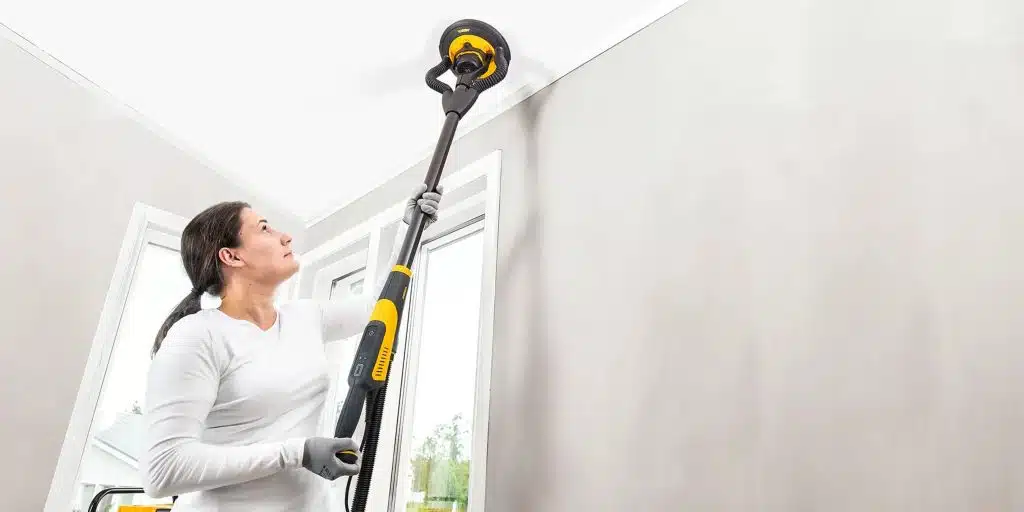
After repairing the surface, smooth the whole surface with sandpaper (or power sander if you have large areas). Sanding is used to remove the rough areas so a smooth surface is left, which will allow the new paint to adhere to. Remember to sand in a circular motion and not to over-sand, as this will damage the wall. Clean the surface by wiping it with a wet cloth.
Prime the Wall
The first stage to repair peeling paint is priming. A good primer helps the new paint to bond to the wall and give a smoother finish. Select a primer that is compatible with your wall surface and the kind of paint you are applying. Apply the primer with a roller or brush, and leave to dry thoroughly before proceeding to the next step.
Repaint the Area
Once the primer is dry, it is time to paint. Apply the paint in thin, even layers with a paintbrush or roller. Begin at the edges and move towards the middle. The initial coating should be allowed to dry, and then a second coating may be applied. If the surrounding wall requires some touch-up, make sure to feather the edges of the new paint to the old wall to form a smooth transition.
Tips for Preventing Peeling Paint
Use Quality Paint
The most effective method of avoiding peeling in the future is by investing in high quality paint. High quality paints are more adhesive and durable, i.e., there will be less chance of peeling or fading with time.
Ensure Proper Ventilation
One of the major causes of peeling paint is moisture, and therefore, proper ventilation is essential. Where humidity is high (such as in bathrooms or kitchens), it may be a good idea to install exhaust fans or open windows to aid in the removal of moisture.
Regular Maintenance
Periodically, check your walls to see whether they are peeling, cracking, or otherwise damaged. The sooner you identify problems, the less expensive the repairs will be. Your walls should be clean and dry to ensure that the paint is not compromised.
Common Mistakes to Avoid
Although repairing peeling paint is a relatively easy process, it’s easy to make errors that may result in subpar performance:
Missing Surface Preparation: Do not forget to clean or prime the wall prior to repainting. The new paint should be properly prepared to make sure that it adheres and lasts longer.
Excessive Brush or Roller Loading: When excessive paint is used it may drip and create uneven coverage. Use thin layers, one layer at a time, and leave to dry before applying another. Not Paying Attention to the Cause of the Problem: When the peeling is being caused by moisture, repairing the paint and not the cause will lead to further peeling in the future. Always find a solution to the problem.